
Introduction to Modern Vision Correction and SMILE LASIK
Vision correction technology has evolved significantly in the past two decades, and SMILE LASIK has become one of the most advanced procedures for treating refractive errors. Patients suffering from myopia and astigmatism increasingly choose this minimally invasive technique because it involves a small incision and preserves more corneal structure compared with traditional LASIK. Leading eye specialists at SNU안과 and 에스앤유안과 frequently emphasize that understanding recovery and post-surgery symptoms is essential for optimal outcomes.
Gangnam’s advanced ophthalmology centers such as snuseoul.com have helped many patients achieve clearer vision through procedures like SMILE Pro and lens implantation surgery. However, after surgery, patients often have questions about healing, side effects, and symptoms such as floaters or blurred vision. Understanding issues like 스마일라식 비문증 and recovery patterns helps patients stay calm and follow proper care guidelines.
SMILE LASIK recovery is usually smooth, but every patient heals at a slightly different pace. Proper post-operative management ensures stable vision and minimizes complications.
Understanding SMILE LASIK Procedure and Early Recovery
SMILE LASIK is short for Small Incision Lenticule Extraction. During the procedure, a femtosecond laser creates a small lenticule inside the cornea which is removed through a tiny incision. This reshapes the cornea and corrects refractive errors without creating a large flap.
Because the incision is small, recovery tends to be faster than traditional LASIK. Most patients experience improved vision within a day or two, although complete stabilization may take several weeks. Early healing involves mild dryness, temporary haze, or light sensitivity.
Patients sometimes search online communities using phrases such as 스마일라식 병원 더쿠 or 자료 자료 확인 to compare experiences and find reviews about clinics. While community discussions can be helpful, professional guidance from ophthalmologists remains the most reliable source of recovery information.
During the first 24 to 48 hours, the corneal surface begins regenerating and stabilizing. Doctors usually recommend rest, eye drops, and avoiding excessive screen time to allow proper healing.
Why Floaters May Appear After SMILE LASIK
One concern that occasionally appears after surgery is the appearance of floaters, commonly described as small moving dots or threads in vision. In Korean discussions, this symptom is often called 스마일라식 비문증.
Floaters are usually related to changes in the vitreous gel inside the eye rather than the cornea itself. In many cases, patients who notice floaters after SMILE LASIK may have already had mild vitreous degeneration before surgery but became more aware of it afterward.
SNU ophthalmology specialists explain that the surgery itself does not directly cause vitreous floaters in most cases. Instead, improved visual clarity can make existing floaters more noticeable. This is why proper consultation and retinal examination before surgery are important.
Patients who notice sudden increases in floaters, flashes of light, or shadowed vision should immediately consult an ophthalmologist to rule out retinal complications.
Managing Recovery After SMILE LASIK
Recovery after SMILE LASIK usually progresses smoothly when patients follow medical instructions. Doctors often provide artificial tears, antibiotic drops, and anti-inflammatory medication during the healing period.
Patients frequently ask about daily activities during recovery. Online discussions sometimes reference topics like 스마일라식 후 회복, 스마일라식 후 전자담배 디시, or 스마일라식 복싱 디시 when discussing whether smoking, vaping, or physical sports are safe after surgery.
Eye specialists recommend avoiding smoking or vaping for a short period after surgery because irritation can delay healing. Similarly, contact sports such as boxing should be postponed until the cornea has fully stabilized.
Adequate sleep, hydration, and reduced screen exposure help accelerate healing. Doctors also recommend wearing protective eyewear outdoors to prevent dust exposure during the early recovery phase.
Potential Overcorrection and Vision Adjustment
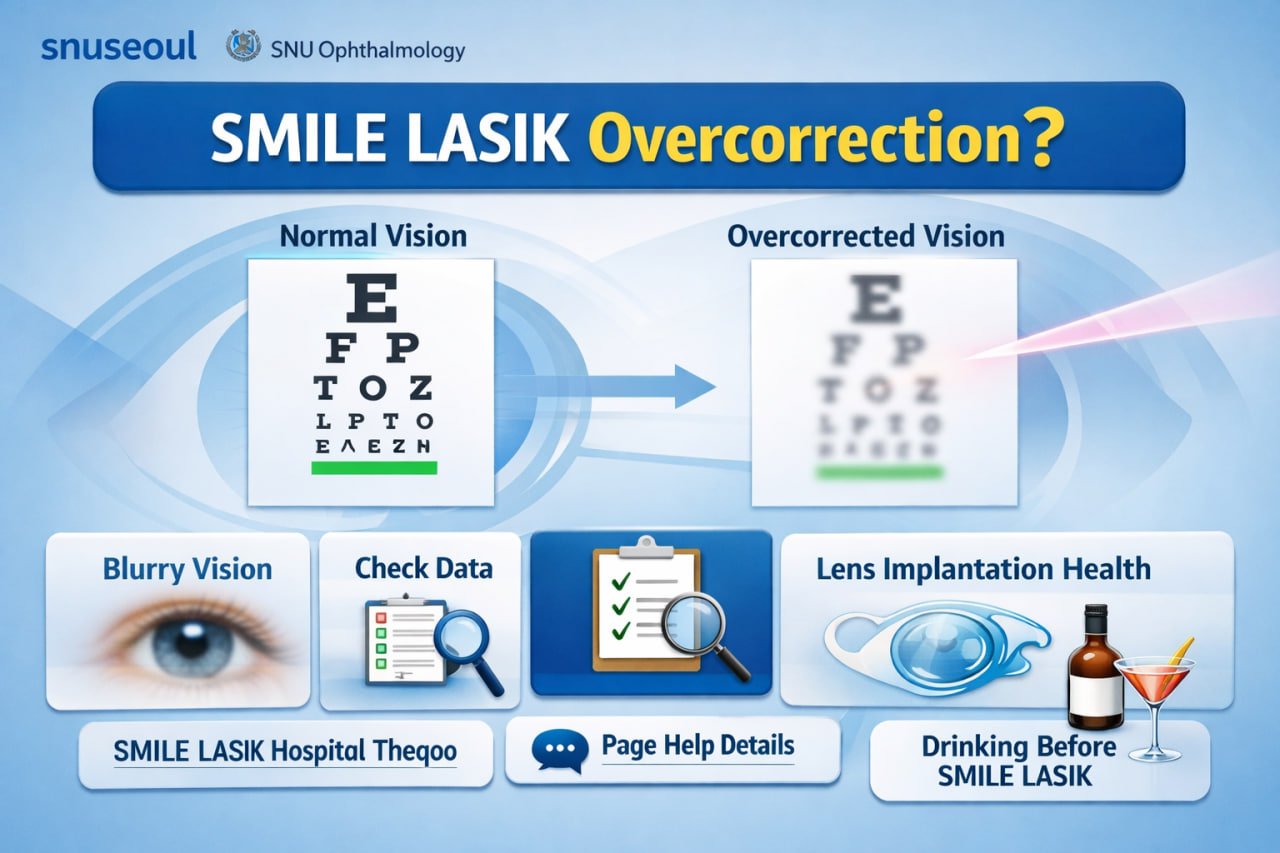
Another topic patients often research is 스마일라식 과교정, or overcorrection. In rare cases, the refractive correction may slightly exceed the intended level, temporarily causing vision discomfort.
Most mild cases resolve naturally as the eye heals and adapts. SNU specialists explain that modern laser systems are extremely precise, and careful pre-surgery measurements significantly reduce the risk of overcorrection.
If symptoms persist, doctors may recommend additional monitoring or enhancement procedures. Regular follow-up visits ensure the cornea stabilizes properly and vision outcomes remain optimal.
Patients are also encouraged to review their medical records and consult reliable resources such as doc page or guide extra go information provided by their clinic to better understand the healing timeline.
Lifestyle Guidance During the Healing Process
Patients recovering from SMILE LASIK should follow several lifestyle adjustments during the early weeks. These precautions support proper corneal healing and reduce irritation.
Activities like swimming, sauna visits, and heavy exercise should be avoided during the first weeks after surgery. Exposure to contaminated water may increase infection risk.
Alcohol consumption before surgery is another topic frequently discussed online as 스마일라식 전 음주. Doctors recommend avoiding alcohol shortly before the procedure because it can contribute to dehydration and affect tear production.
Similarly, patients considering lens implantation surgery may search for 렌즈삽입술 헬스 discussions related to exercise after eye surgery. While moderate physical activity is eventually safe, intense workouts should be postponed until the ophthalmologist confirms full recovery.
Following these precautions ensures stable healing and long-term visual clarity.
Patient Support, Information Resources, and Long-Term Care
Reliable information plays a major role in helping patients feel confident during their recovery. Many clinics provide online educational resources through systems labeled 페이지 도움말 상세, next help full, or 내용 보기 전체보기 sections on their websites.
These informational pages explain surgical procedures, recovery expectations, and frequently asked questions. They also help patients verify accurate medical details rather than relying solely on online forums.
SNU ophthalmology specialists stress that regular checkups are essential even after vision improves. Monitoring corneal health and retinal condition ensures that any rare complications are detected early.
Patients should also maintain healthy eye habits such as adequate blinking during screen use, balanced nutrition, and routine eye examinations.
Ultimately, SMILE LASIK provides excellent long-term results for many patients. With careful preparation and attentive post-operative care, most individuals achieve stable vision and return to daily life quickly.
