
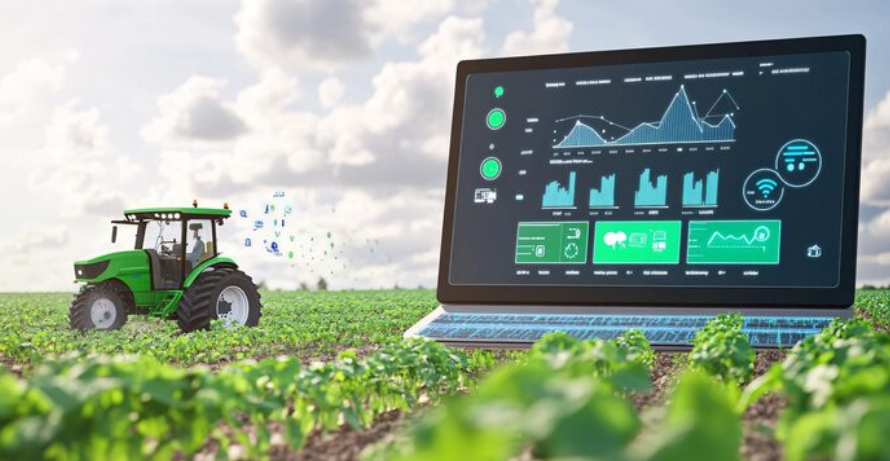
Agriculture requires careful planning, timely transportation, and effective resource management. Farmers need to coordinate various activities, from harvesting crops to storing products and delivering them to buyers. Managing these tasks efficiently helps improve productivity and supports smooth farm operations. Agriculture logistics software provides digital tools that help farmers organize daily activities, manage transportation, track inventory, and improve communication. By using this technology, farms can save time, use resources wisely, and create a more organized supply chain.
Improving Farm Planning and Coordination
Proper planning is an important part of successful farming. Farmers must coordinate harvesting schedules, labor, equipment, storage facilities, and transportation to keep operations running smoothly. Agriculture logistics software helps bring these activities together in one system.
With organized schedules and updated information, farmers can plan when crops should be harvested, where they should be stored, and how they will reach their destinations. This makes it easier to coordinate workers and equipment. Better planning also allows farm managers to adjust schedules according to changing needs and make informed decisions throughout the growing and harvesting seasons.
Improving Transportation and Logistics
Transportation and logistics play an important role in moving agricultural products from farms to storage facilities, processing centers, and markets. Agriculture logistics software helps manage delivery schedules, assign vehicles, and organize transportation routes.
By keeping delivery information in one place, farm managers can coordinate drivers and monitor the movement of goods more effectively. The software can also help plan suitable routes based on delivery locations and vehicle availability. These features support timely deliveries and help make better use of fuel, vehicles, and working hours. Efficient logistics also allows farmers to coordinate product distribution according to customer requirements.
Managing Inventory and Storage
Effective inventory management helps farmers understand how much produce, seed, fertilizer, and other supplies are available. Agriculture logistics software allows users to record inventory levels and update information as products move in and out of storage.
This information helps farmers plan purchases, organize storage space, and prepare products for distribution. Digital inventory records also make it easier to identify available stock and estimate future supply needs. With better visibility into stored goods, farm managers can coordinate harvesting and deliveries according to actual inventory levels.
Supporting Better Communication
Farm operations often involve farmers, suppliers, drivers, warehouse workers, and buyers. Clear communication helps everyone understand their responsibilities and stay informed about schedules.
Agriculture logistics software provides a shared platform for important information, such as delivery times, order details, inventory updates, and transportation plans. When team members can access relevant information quickly, they can coordinate tasks more effectively. This improves teamwork and helps different parts of the agricultural supply chain work toward common goals.
Using Data for Smarter Farm Decisions
Digital tools provide useful information about transportation costs, delivery performance, inventory movement, and resource use. Agriculture logistics software helps turn these records into insights that support better planning.
Farm managers can review previous activities, identify efficient processes, and adjust future schedules based on available data. These insights can also help with budgeting, resource allocation, and long-term operational planning. By understanding how resources are being used, farmers can make informed decisions that support productivity and operational efficiency.
Conclusion
Agriculture logistics software helps make farm operations more efficient by improving planning, transportation, inventory management, and communication. It also provides valuable data that supports informed decisions and better resource use. By adopting suitable software, farmers can coordinate daily activities more effectively, organize the movement of agricultural products, and build a productive supply chain. This technology offers a practical way to support modern farming and achieve long-term operational efficiency.