
Satellite connectivity has opened new options for companies in remote areas, mobile operations, and locations with limited wired service. Many owners now compare starlink business internet packages against fiber, cable, and wireless alternatives. The technology can be a strong solution, but the best choice depends on your location, workload, and budget. Plans and features also change over time, so confirm current details directly with the provider. This guide explains six factors to review before you buy.
1. Coverage and Location Suitability
Before comparing starlink business internet packages, confirm that service is available where you operate. Check whether your site has a clear view of the sky, since trees, buildings, and hills can interfere with performance.
Remote farms, construction sites, and rural offices often benefit most. If your business is in a city with strong fiber options, a satellite plan may serve better as a backup.
2. Speed, Latency, and Real-World Performance
Advertised speeds are only part of the story. When reviewing starlink business internet packages, ask about typical download speeds, upload speeds, and latency, especially if you use video calls, voice services, or cloud software.
Performance can vary with local conditions and network demand. Request current performance information and, if possible, speak with nearby customers about their experience.
3. Data Allowances and Priority Access
Data rules can shape your monthly experience. Some starlink business internet packages may include different levels of priority access or usage limits, so read the terms carefully.
Estimate how much data your team consumes through streaming, backups, software updates, and file sharing. Choosing a plan that matches your real daily usage helps prevent slowdowns and unexpected charges.
4. Equipment, Installation, and Power Needs
Hardware costs and setup requirements deserve attention. Many starlink business internet packages involve a satellite dish, router, mounting equipment, and cabling.
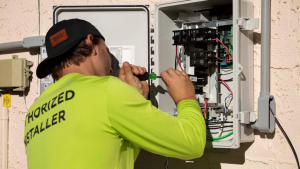
Decide where the dish will be placed, how it will be secured, and whether you need professional installation. Also consider power supply, backup batteries, and protection against wind, snow, and heavy rain.
5. Reliability, Backup Planning, and Support
Every connection needs a continuity plan. Even strong starlink business internet packages should be evaluated for outage handling, weather effects, and available customer support.
Review service terms and ask how issues are reported and resolved. Many companies pair satellite service with a second connection, which keeps payments, communication, and critical systems running if one link fails.
6. Total Cost and Contract Flexibility
Monthly pricing is only one piece of the budget. Compare starlink business internet packages by adding hardware, installation, accessories, taxes, and possible fees.
Consider whether you need a temporary, portable, or long-term arrangement. Flexible terms are valuable for seasonal operations and growing businesses because they allow adjustments as needs evolve.
Final Thoughts
Choosing among starlink business internet packages requires careful attention to coverage, performance, data rules, equipment, reliability, and cost. Define your needs first, verify current offerings, and compare them with other available options. A satellite connection can be a powerful tool when matched to the right situation. With thorough research, you can select a plan that keeps your business productive, connected, and prepared for future growth.